Training hard is only half the equation. The other half is recovering smarter. The best smart recovery wearables in 2026 track heart rate variability, sleep stages, strain, and readiness to tell you exactly how recovered your body is — and whether today is a day to push or a day to hold back. Used by Olympic athletes, NFL teams, and serious amateurs alike, these wearables are changing how we think about training load and longevity.
#1. WHOOP 4.0
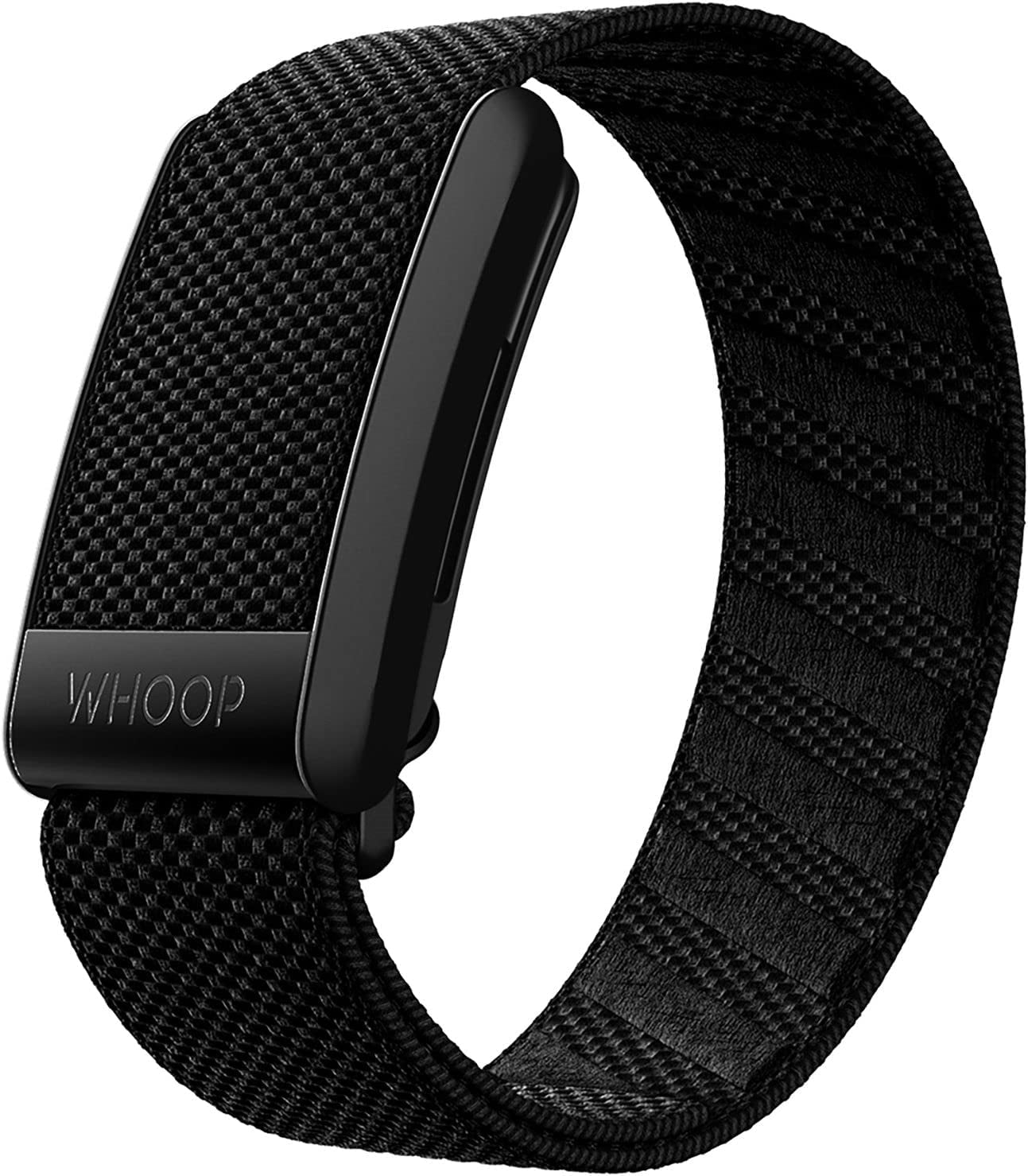
WHOOP is the recovery wearable that professional athletes swear by. Its entire design philosophy is built around one question: how recovered are you today? The Strain score quantifies how hard you pushed, the Recovery score shows how ready your body is, and the Sleep Coach tells you exactly how long to sleep to hit a target recovery level. Worn 24/7 with no screen — WHOOP is pure data, no distractions.
Key Features
- Recovery Score: Daily 0–100% recovery based on HRV, RHR, sleep, and respiratory rate
- Strain Score: 0–21 cardiovascular load scale for daily and workout strain
- Sleep Coach: Tells you exactly how much sleep to get for target recovery
- Sensors: Continuous HR, SpO2, skin temperature, respiratory rate
- Battery: 4–5 days; charges on wrist (no removal needed)
- Price: Membership-based — device free; from $30/month
Pros & Cons
- ✅ Best recovery and strain tracking methodology available
- ✅ Sleep Coach is the most actionable sleep recommendation system
- ✅ Worn 24/7 — charges on wrist without removal
- ✅ No screen means pure data focus, no notification distraction
- ✅ Trusted by professional sports teams and elite athletes
- ❌ Subscription model — ongoing monthly cost
- ❌ No display — requires phone to see data
- ❌ No GPS — workout tracking less detailed than sports watches
Verdict
WHOOP 4.0 is the best dedicated recovery wearable for serious athletes. If you train more than 4 times per week and want objective data on when to push and when to back off, WHOOP’s Strain/Recovery system is the most actionable framework available.
#2. Oura Ring Gen 3
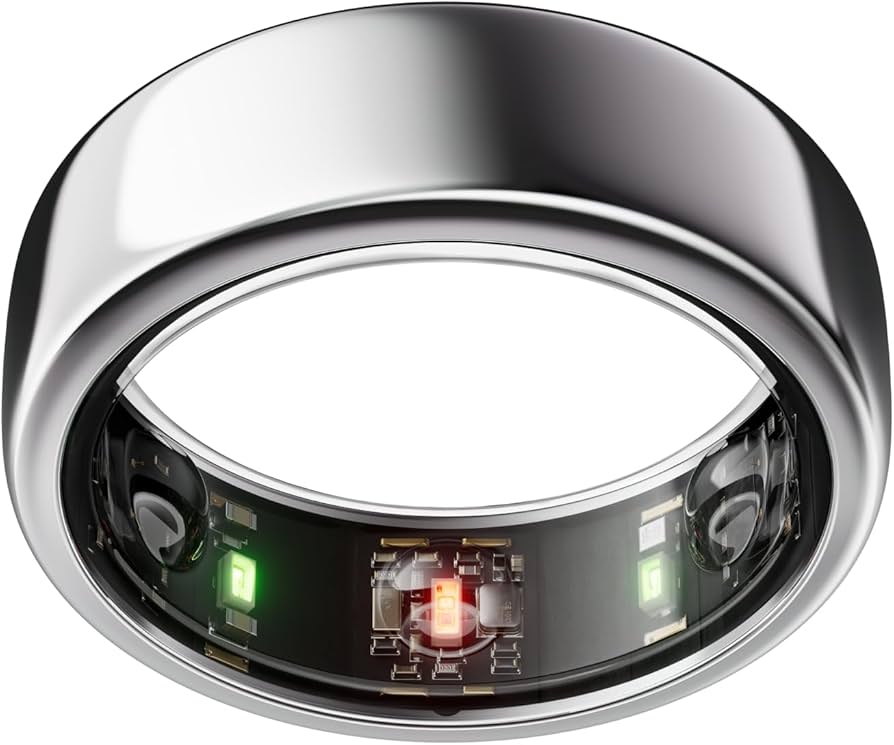
The Oura Ring Gen 3 is the most discreet recovery wearable available — worn as a ring, it tracks HRV, sleep stages, body temperature, and readiness overnight. Beloved by biohackers, sleep researchers, and athletes who want recovery data without wearing a watch 24/7. The finger-based optical sensors are among the most accurate in any wearable form factor.
Key Features
- Readiness Score: Daily 0–100 score combining sleep, HRV, activity, and temperature
- Sleep Tracking: Sleep stages (REM, deep, light), latency, efficiency
- Temperature: Skin temperature deviation — illness and cycle tracking
- Sensors: 3 infrared sensors, 1 red sensor, NTC temperature sensor
- Battery: 4–7 days per charge
- Price: $299–$499 ring + $5.99/month membership
Pros & Cons
- ✅ Most discreet recovery wearable — looks like a normal ring
- ✅ Best sleep stage accuracy of any consumer wearable
- ✅ Temperature deviation catches illness and overtraining early
- ✅ 4–7 day battery — reliable through trips and expeditions
- ✅ No screen pressure — data reviewed in app at your own pace
- ❌ No built-in GPS or strain tracking during workouts
- ❌ Membership fee on top of ring purchase
- ❌ Not ideal for contact sports (ring can be damaged)
Verdict
Oura Ring Gen 3 is the best recovery wearable for athletes who prioritise sleep quality and readiness data in the most discreet form factor. The temperature-based illness early warning alone is worth the investment for athletes who can’t afford training disruptions.
#3. Eight Sleep Pod 4
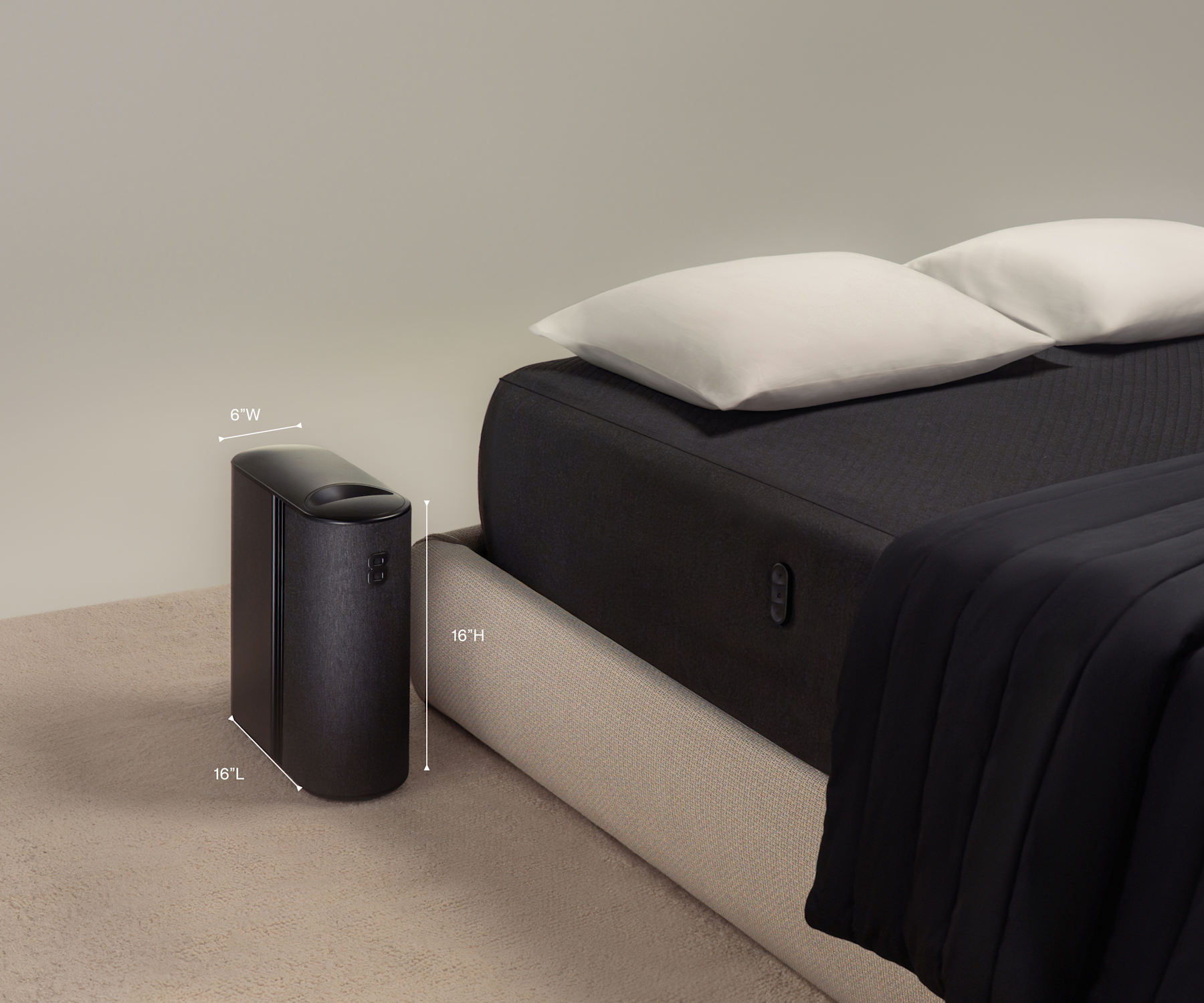
Eight Sleep takes a completely different approach to recovery — instead of a wearable on your body, it turns your entire bed into a recovery tool. The Pod 4 cover tracks sleep stages, heart rate, and HRV through the mattress while actively cooling or heating each side of the bed to the optimal temperature for deep sleep — the single most effective non-pharmaceutical sleep quality improvement available.
Key Features
- Temperature: Active cooling/heating from 55°F–110°F per side
- Tracking: Sleep stages, HR, HRV, respiratory rate — through the mattress
- AI Autopilot: Learns your sleep preferences and adjusts temperature automatically
- Recovery Score: Morning recovery score and sleep quality breakdown
- Smart Alarm: Wakes you at optimal sleep stage within time window
- Price: $2,295+ (Pod 4 cover) + $17/month membership
Pros & Cons
- ✅ Active temperature regulation is the most powerful sleep quality lever available
- ✅ No wearable required — works passively while you sleep
- ✅ Dual-zone temperature means partners can set different preferences
- ✅ HRV and sleep tracking without wearing anything
- ✅ Smart alarm optimization genuinely improves morning alertness
- ❌ Very expensive upfront investment
- ❌ Ongoing membership required for features
- ❌ Requires existing mattress — adds to bedroom clutter
Verdict
Eight Sleep Pod 4 is the most impactful single recovery investment for athletes with the budget. Optimised sleep temperature consistently improves deep sleep and HRV — and the recovery data you get without wearing anything makes it uniquely suited to athletes who find wrist/ring wearables uncomfortable during sleep.
#4. Garmin HRV Status (Built into Garmin Watches)
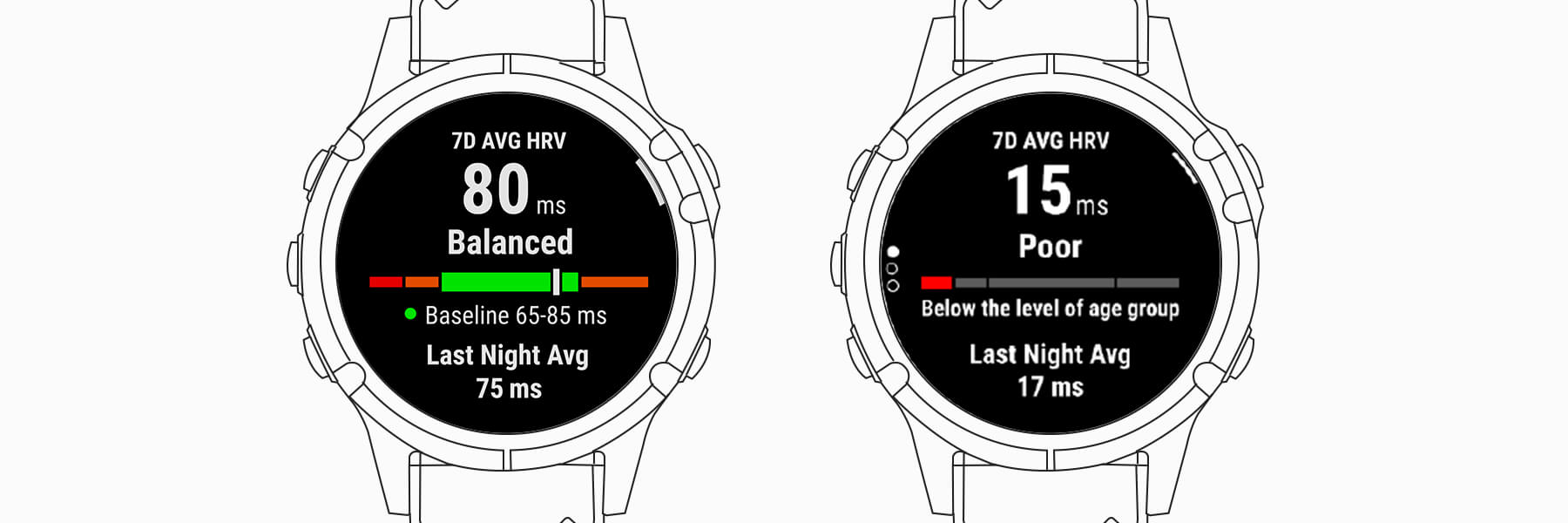
If you already own a Garmin watch from the Fenix, Forerunner, or Epix line, you already have a powerful recovery monitoring tool. Garmin’s HRV Status feature tracks your 5-night HRV baseline and shows whether your HRV is Balanced, Unbalanced, or Low — directly on your watch face each morning. No additional subscription, no extra device.
Key Features
- HRV Status: Balanced / Unbalanced / Low based on 5-night rolling average
- Body Battery: 0–100 energy reserve indicator updated throughout the day
- Training Readiness: 0–100 readiness score combining HRV, sleep, strain, and stress
- Sleep Score: Sleep quality score with stage breakdown
- Race Recovery: Post-race recovery time estimate
- Cost: Included free with supported Garmin watches (no subscription)
Pros & Cons
- ✅ No extra cost — already included in Garmin watches
- ✅ Training Readiness integrates with training load for holistic view
- ✅ Body Battery is excellent for daily energy management
- ✅ Race Recovery estimate helps plan post-event training
- ✅ HRV Status visible on watch face — no app needed
- ❌ Less detailed than WHOOP or Oura dedicated apps
- ❌ Requires wearing watch during sleep
- ❌ Sleep tracking less accurate than ring-based Oura
Verdict
Garmin’s built-in HRV Status is the best free recovery monitoring tool in 2026. If you own a supported Garmin watch, turn on HRV Status, wear it to sleep for two weeks, and let your baseline establish. The insights are surprisingly powerful for something that costs nothing extra.
#5. Polar Nightly Recharge (Built into Polar Watches)
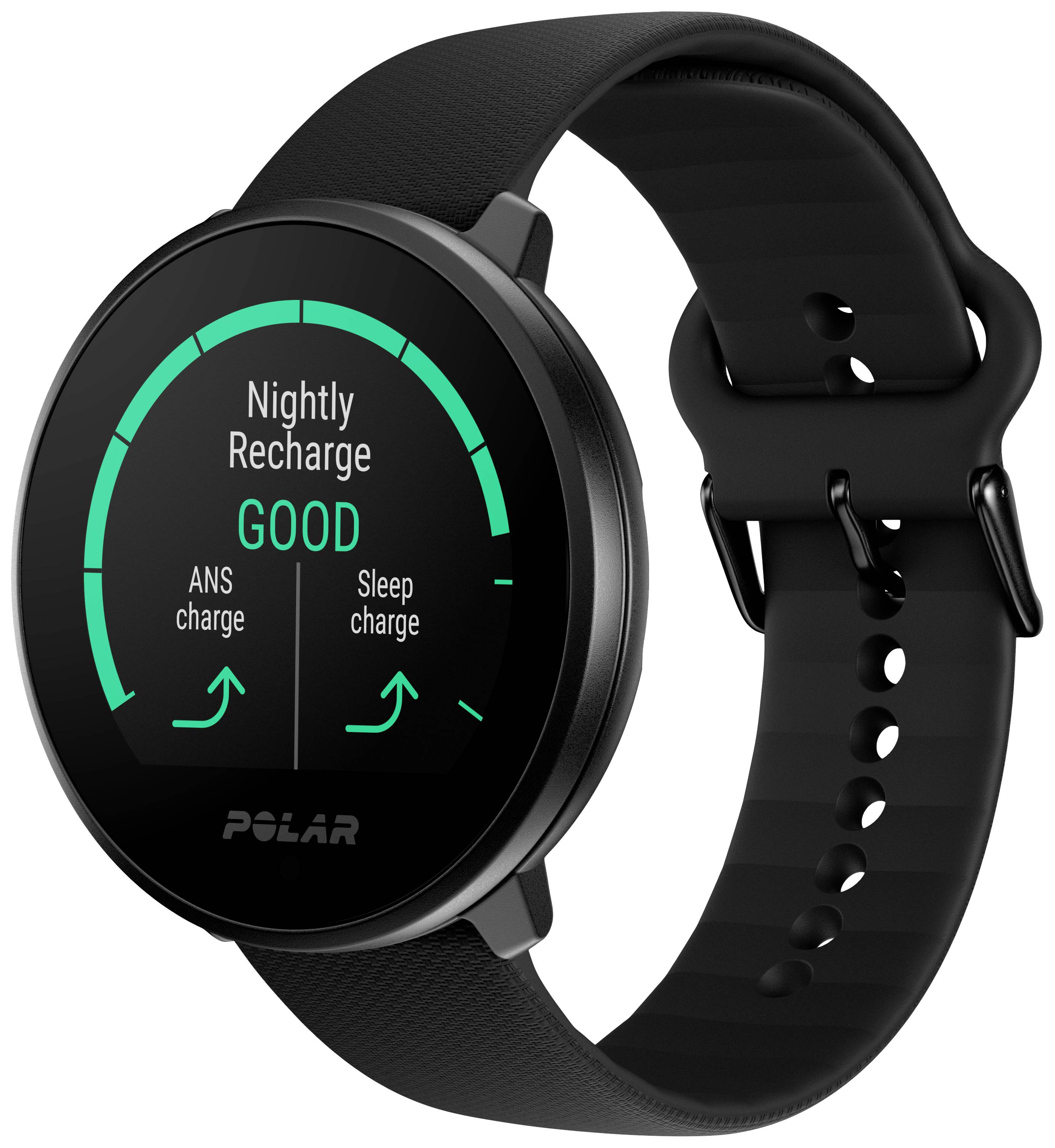
Polar has been researching heart rate variability and recovery science since before it was mainstream — and their Nightly Recharge feature is the most scientifically rigorous HRV-based recovery system built into any consumer watch. Measuring ANS (autonomic nervous system) recharge during sleep alongside sleep stages, it produces the most evidence-backed morning recovery insights available without a separate subscription.
Key Features
- Nightly Recharge: ANS recharge + sleep recharge combined morning score
- ANS Measurement: HRV-based autonomic nervous system recovery tracking
- Sleep Plus Stages: REM, deep, light sleep tracking with sleep score
- Training Load Pro: Cardio, muscle, and perceived load tracking
- FitSpark: AI-generated daily training suggestion based on recovery status
- Cost: Included free with Polar Grit X2, Vantage, and Ignite watches
Pros & Cons
- ✅ Most scientifically rigorous HRV recovery system in any watch
- ✅ FitSpark daily training recommendation is uniquely useful
- ✅ No subscription — included free
- ✅ ANS recharge measurement is more granular than most competitors
- ✅ Trusted by exercise scientists and sports coaches
- ❌ Requires Polar watch — not available on other platforms
- ❌ Polar app less polished than Garmin Connect
- ❌ Navigation features below Garmin for outdoor athletes