If you spend most of your workday staring at a screen, you’ve probably noticed the eye strain, headaches, or trouble winding down at night. Blue light glasses have become a popular remote work accessory — but do they actually work, and which ones are worth buying? We tested the top blue light glasses in 2026 across lens quality, frame comfort, blocking effectiveness, and value.
Best Blue Light Glasses in 2026
1. Felix Gray Roebling — Best Overall Blue Light Glasses
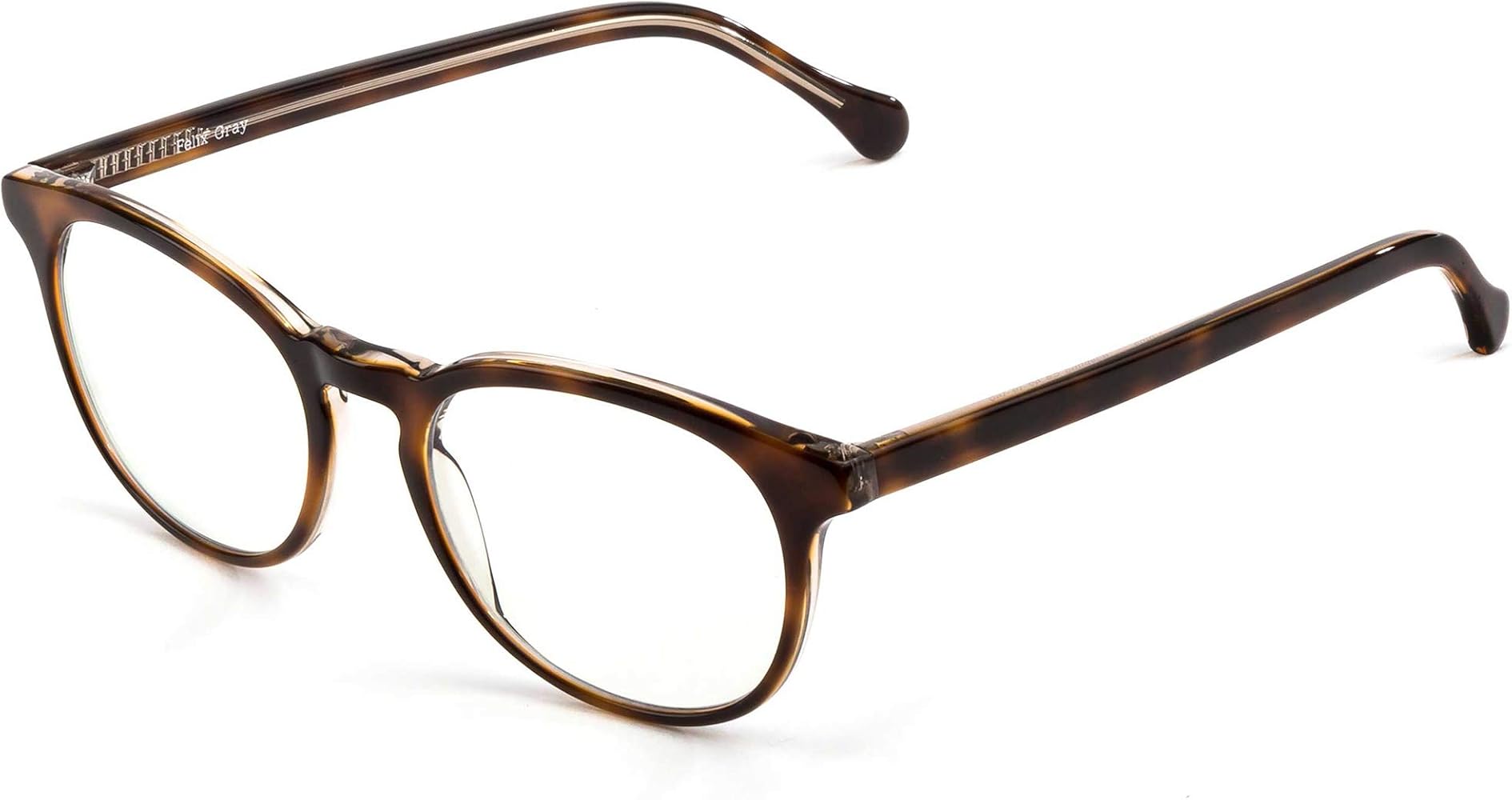
Felix Gray is one of the most respected names in blue light eyewear for good reason. Their lenses filter blue light through the lens material itself rather than a coating — which means no yellow tint distorting your screen colors. The Roebling frames are a classic, versatile acetate style that works for both professional video calls and casual wear. Prescription compatible, high-quality optics, anti-glare and UV protection included. At around $95, they’re a premium purchase, but the visual clarity and long-term comfort are genuinely better than budget competitors.
Price: ~$95 | Tint: Clear | Best for: Daytime screen use, video calls, professional wear
2. Warby Parker Blue Light Glasses — Best Stylish Option
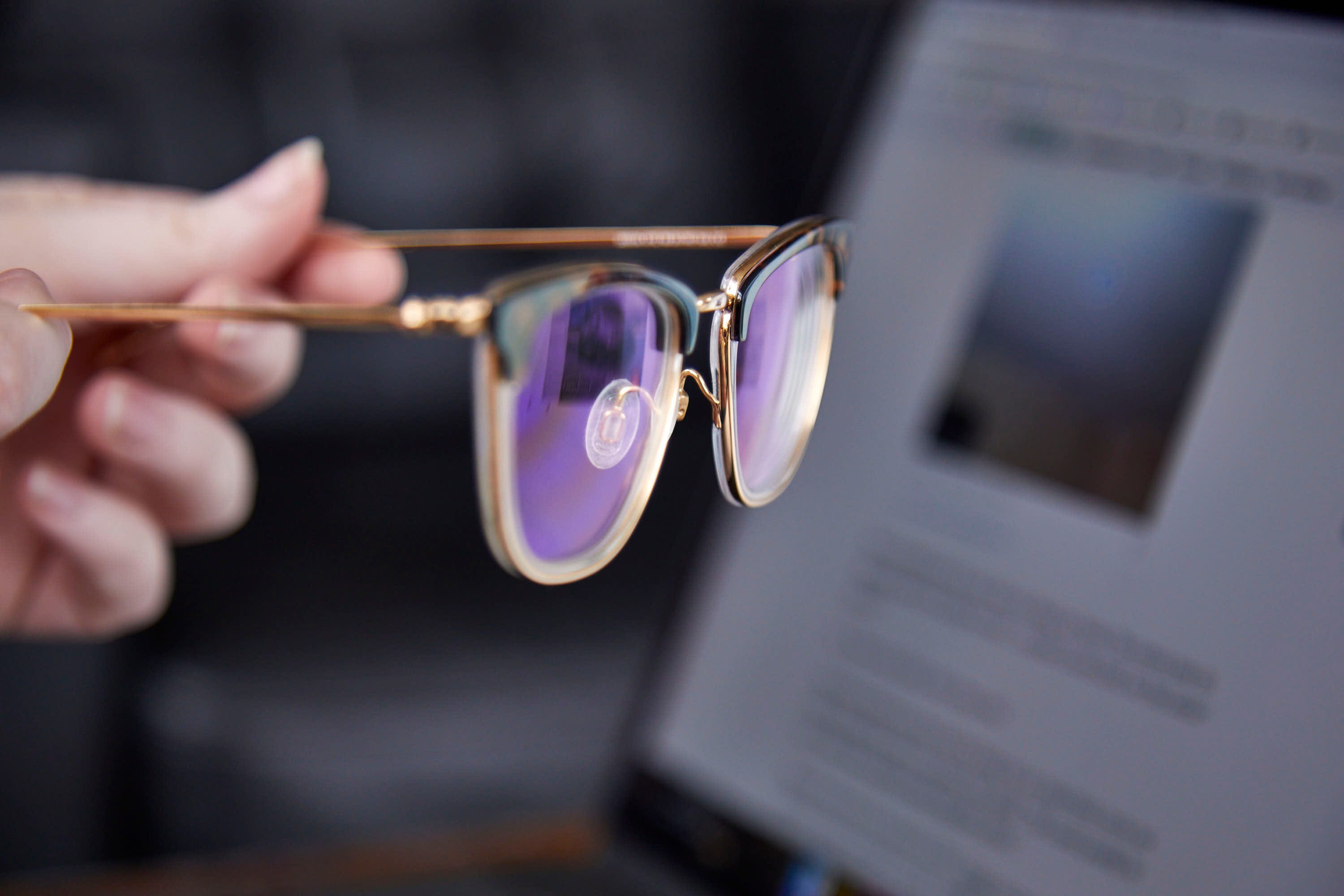
Warby Parker applies their signature approach — stylish frames, transparent pricing, home try-on program — to blue light glasses. You can add their blue light filter to virtually any frame in their catalog for around $50 extra, meaning you’re getting fashion-forward eyewear with functional protection. The filtering is moderate (not as aggressive as Felix Gray), which keeps colors accurate. If you already wear Warby Parker glasses or love their aesthetic, adding blue light lenses is an obvious upgrade.
Price: From ~$95 (frames + blue light add-on) | Tint: Clear | Best for: Style-conscious remote workers
3. GUNNAR Intercept — Best for Gamers and Heavy Screen Users
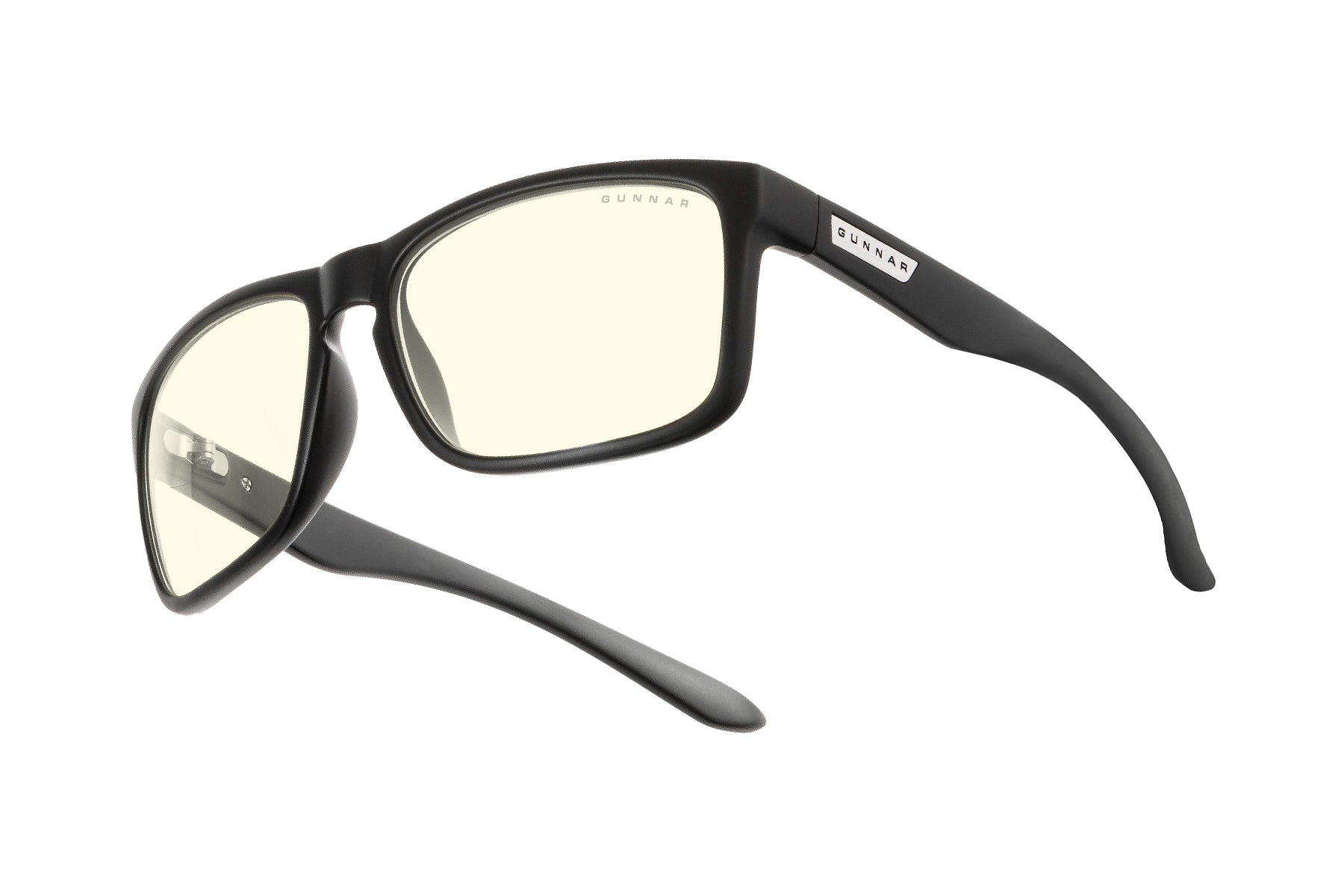
GUNNAR is the go-to brand for gamers and anyone spending 8+ hours a day in front of screens. The Intercept uses GUNNAR’s amber lens tint — which filters significantly more blue light than clear lenses — giving you stronger protection at the cost of some color warmth. If color accuracy matters for design or video work, this tint isn’t ideal. But for long gaming sessions or night computing, the amber tint is genuinely more comfortable. Lightweight frames, large coverage area, and strong nose bridge padding for extended wear sessions.
Price: ~$70 | Tint: Amber | Best for: Gamers, marathon screen sessions, night use
4. Cyxus Blue Light Blocking Glasses — Best Budget Option
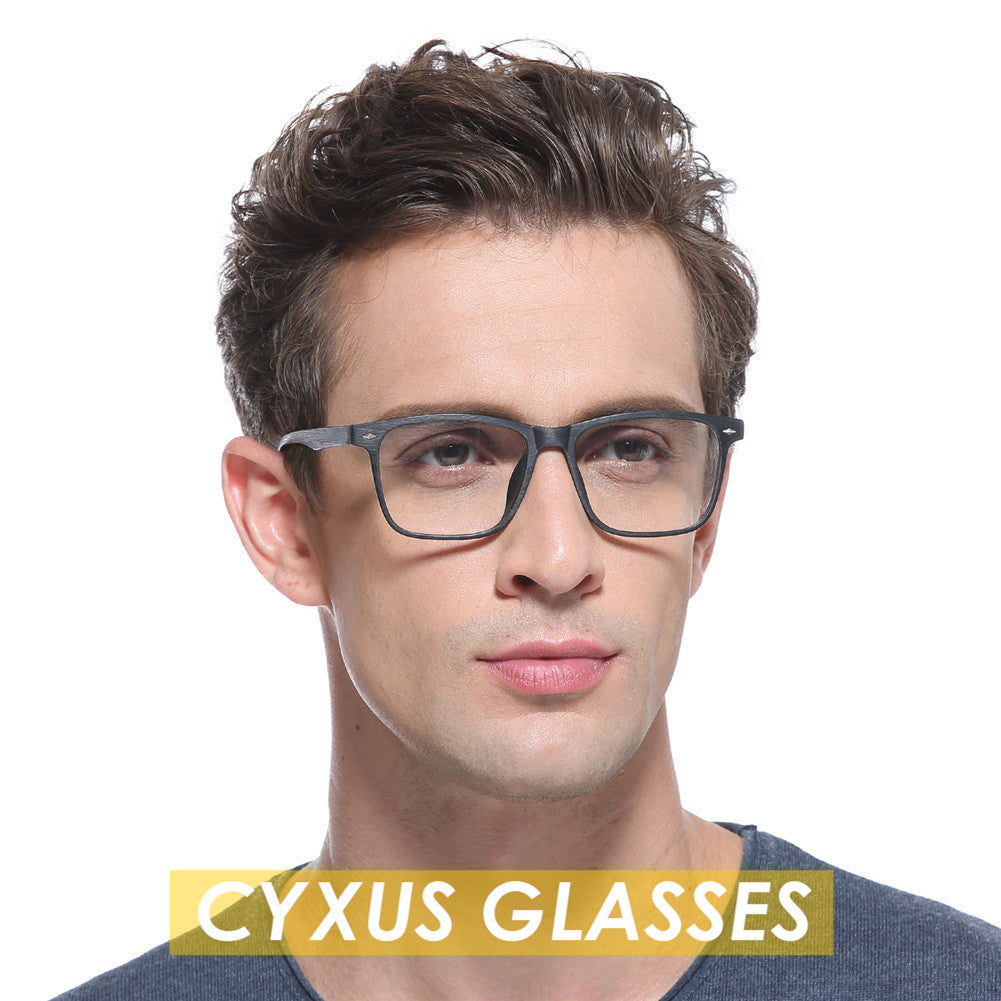
If you want to try blue light glasses without committing to a $80+ pair, Cyxus is the smart starting point. At around $20–$25, they offer clear lenses with moderate blue light filtering, a variety of frame styles, and surprisingly decent build quality. They won’t feel as premium as Felix Gray or Warby Parker, but for working from home at a desk where no one’s judging your frame style, they do the job. Good beginner option before you decide whether blue light glasses make a real difference for you.
Price: ~$20–$25 | Tint: Clear | Best for: Budget buyers, first-timers
5. Zenni Blokz — Best Prescription Blue Light Glasses

Zenni’s Blokz lenses are the most affordable way to get prescription blue light glasses. You choose any Zenni frame (starting around $7), add Blokz lenses for a modest upcharge, enter your prescription, and receive finished glasses in 2–3 weeks for a total that’s often under $40. For anyone who wears prescription glasses and spends the day at a screen, Blokz is a near-perfect value proposition. They filter blue light at the lens material level (no coating to scratch off) and maintain good color accuracy.
Price: From ~$25 with prescription | Tint: Clear | Best for: Prescription wearers on a budget
Comparison Table
| Glasses | Price | Tint | Rx Compatible | Best For |
|---|---|---|---|---|
| Felix Gray Roebling | ~$95 | Clear | Yes | Best overall |
| Warby Parker | ~$95+ | Clear | Yes | Style + function |
| GUNNAR Intercept | ~$70 | Amber | Yes | Gaming / heavy use |
| Cyxus | ~$20–$25 | Clear | No | Budget trial |
| Zenni Blokz | From ~$25 | Clear | Yes | Affordable Rx |
Do Blue Light Glasses Actually Work?
The research is mixed. Current evidence doesn’t conclusively prove blue light glasses reduce eye strain — the American Academy of Ophthalmology says most eye strain is caused by screen habits (blinking less, incorrect distance, poor lighting) rather than blue light itself. However, anecdotally, many remote workers report genuine relief. The most well-supported benefit is for sleep: using blue-light-blocking glasses in the 1–2 hours before bed may help preserve melatonin production. At minimum, they do no harm and many users find them comfortable. The 20-20-20 rule (every 20 minutes, look at something 20 feet away for 20 seconds) remains the most evidence-backed way to reduce eye strain.
Bottom Line
The best blue light glasses in 2026 are Felix Gray for most remote workers, GUNNAR for gamers, and Zenni Blokz for prescription wearers on a budget. They won’t cure eye strain on their own, but combined with better screen habits, they can make long work days noticeably more comfortable. Try Cyxus first if you want to test the concept without spending much.