A smart home hub is the brain that connects all your devices — lights, locks, thermostats, sensors, cameras — into one unified system. Without the right hub, you end up with five separate apps and no automation. With the right one, your home runs itself. Here are the best smart home hubs in 2026.
#1. Amazon Echo (4th Gen) with Alexa
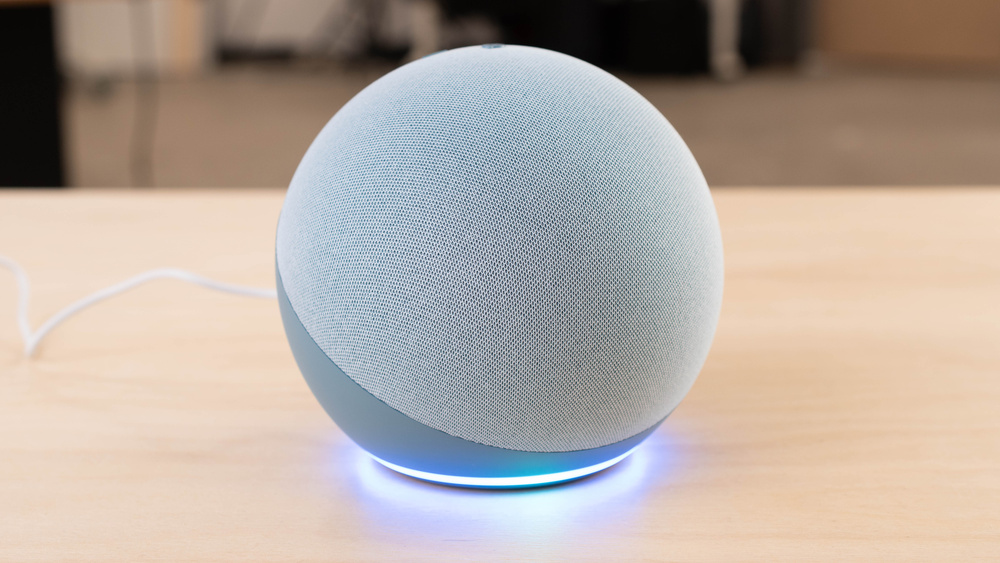
The Amazon Echo 4th Gen is the most accessible smart home hub available — it doubles as a Zigbee hub, a speaker, and an Alexa voice assistant all in one. With built-in Zigbee support, it connects directly to compatible smart bulbs, plugs, and sensors without an additional hub. Alexa’s device compatibility is the broadest in the industry — over 140,000 compatible devices across every major brand. If you’re starting a smart home from scratch, this is the most practical starting point.
Key Specs
- Protocols: Wi-Fi, Bluetooth, Zigbee (built-in hub), Matter, Thread
- Voice: Alexa — over 140,000 compatible devices
- Speaker: 3-inch woofer + dual tweeters — good audio quality
- Routines: Complex multi-step automations via Alexa app
- Display: No screen (Echo Show line for display)
- Price: ~$99.99
Pros & Cons
- ✅ Broadest device compatibility — 140,000+ Alexa-compatible devices
- ✅ Built-in Zigbee hub eliminates need for a separate hub for Zigbee devices
- ✅ Matter and Thread support future-proofs the ecosystem
- ✅ Most accessible entry price in the hub category
- ❌ Relies heavily on cloud — automations slow or fail without internet
- ❌ Privacy concerns around always-on listening
- ❌ Alexa routines less powerful than Home Assistant for complex automation
Verdict
The Amazon Echo 4th Gen is the best smart home hub for beginners and Amazon ecosystem users. Broadest device support, simplest setup, and the built-in Zigbee radio make it a practical all-in-one starting point.
#2. Google Nest Hub (2nd Gen)
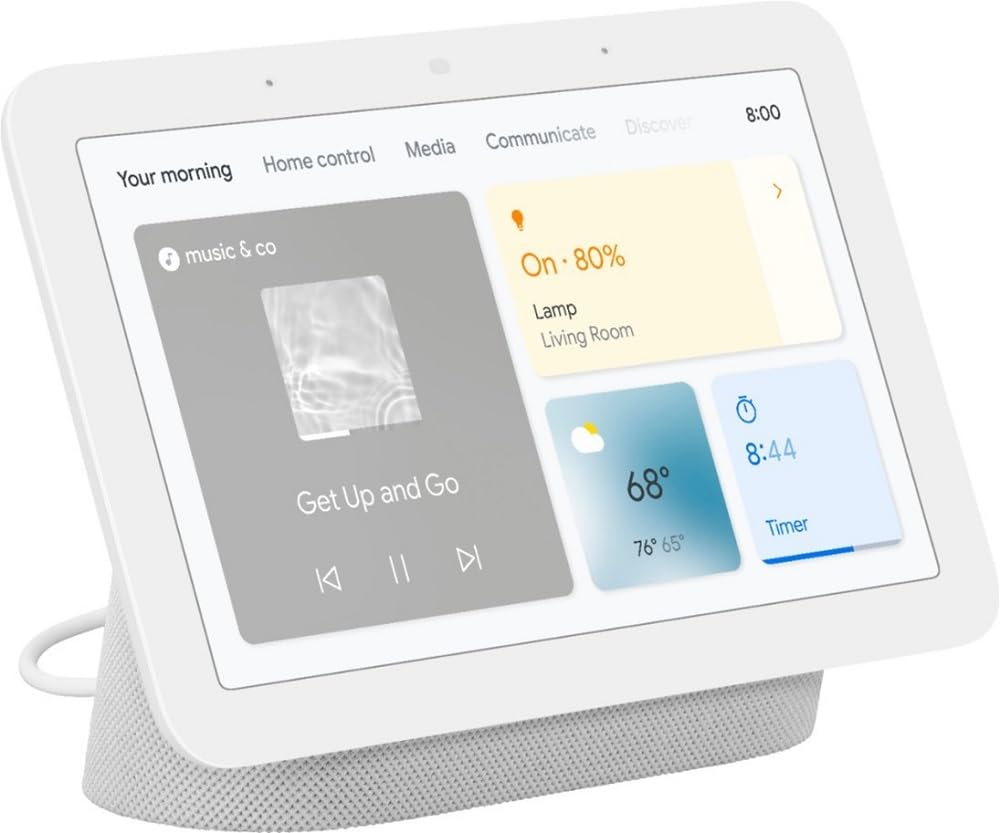
The Google Nest Hub 2nd Gen gives you a 7-inch touchscreen display alongside Google Assistant voice control — making it the most intuitive smart home controller for visual interaction. Swipe through camera feeds, control thermostats, play media, and build automations all from the touchscreen. For Google Home households and Android users, the Nest Hub is the natural hub of the home.
Key Specs
- Display: 7-inch touchscreen — visual control of all Google Home devices
- Voice: Google Assistant
- Protocols: Wi-Fi, Bluetooth, Matter, Thread (via Google Home app)
- Sleep Sensing: Radar-based sleep tracking — no wearable needed
- Ecosystem: Google Home, Chromecast, Android, YouTube
- Price: ~$99.99
Pros & Cons
- ✅ Touchscreen display makes visual control more intuitive than voice-only hubs
- ✅ Best for Google Home and Android ecosystem users
- ✅ Sleep sensing is a unique wellness feature no Amazon hub offers
- ✅ Excellent media playback — Google Photos, YouTube, Spotify
- ❌ No Zigbee built in — relies on Thread/Matter and Wi-Fi for local device control
- ❌ Google Home automation less powerful than Amazon Alexa routines for complex setups
- ❌ Google has discontinued Nest products before — ecosystem uncertainty
Verdict
The Google Nest Hub 2nd Gen is the best smart home hub for Google ecosystem users who want visual touchscreen control alongside voice. Ideal for kitchen or bedside placement as a central home control panel.
#3. Samsung SmartThings Hub
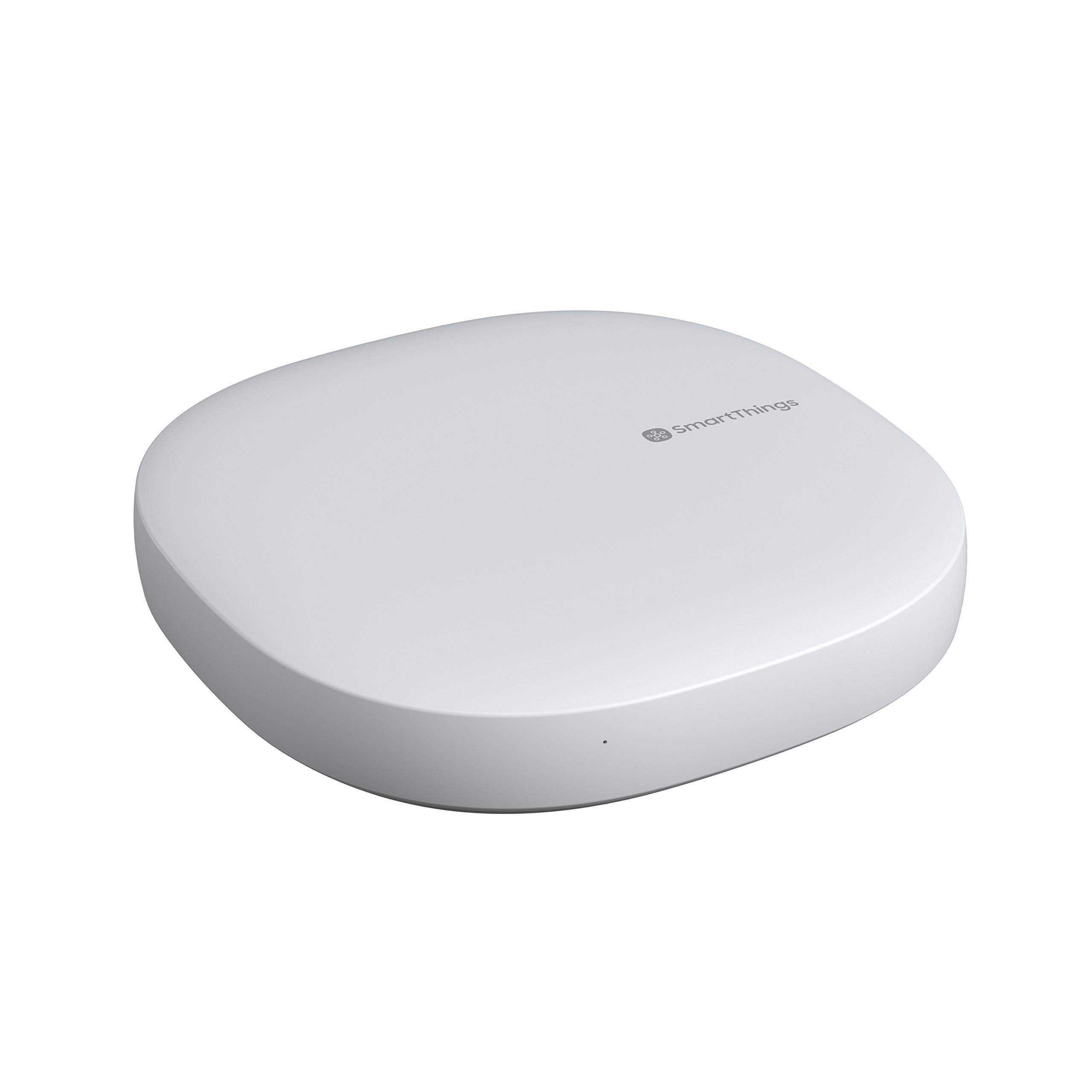
Samsung SmartThings is the most protocol-versatile smart home hub available — supporting Zigbee, Z-Wave, Wi-Fi, Bluetooth, Matter, and Thread simultaneously. That matters because it means virtually any smart device from any brand works with SmartThings, regardless of what wireless standard it uses. For tech-savvy homeowners who want broad cross-brand compatibility and powerful local automations, SmartThings is the most capable hub short of Home Assistant.
Key Specs
- Protocols: Zigbee, Z-Wave, Wi-Fi, Bluetooth, Matter, Thread — widest support available
- Local Processing: Automations run locally — don’t require internet
- Integrations: 5,000+ compatible devices across all major brands
- Voice: Works with Alexa, Google Assistant, and Bixby
- App: SmartThings app (iOS/Android) — advanced automation builder
- Price: ~$129.99 (hub only)
Pros & Cons
- ✅ Most protocol support — Zigbee + Z-Wave + Matter + Thread + Wi-Fi in one hub
- ✅ Local automation processing — routines still work when internet goes down
- ✅ Works with Alexa, Google, and Bixby — not locked to one voice ecosystem
- ✅ 5,000+ compatible devices — as broad as Alexa
- ❌ Setup is more complex than Echo or Nest Hub
- ❌ SmartThings app reliability has historically had issues with automations dropping
- ❌ Samsung has shifted SmartThings strategy multiple times — platform continuity concerns
Verdict
The Samsung SmartThings Hub is the best choice for tech-savvy homeowners who need to connect devices across multiple wireless protocols and want local automation processing that works even without internet.
#4. Apple HomePod (2nd Gen)
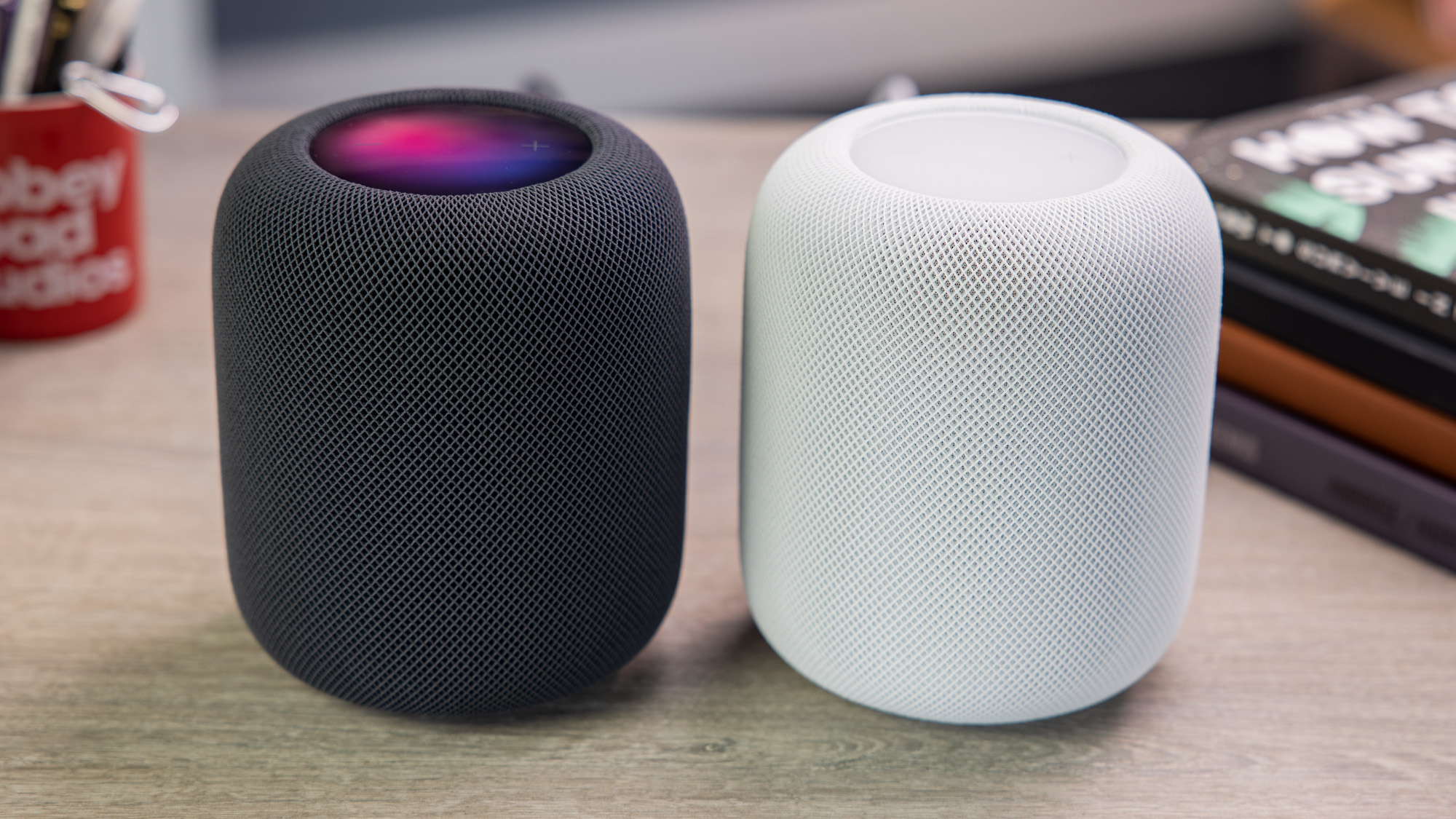
The Apple HomePod 2nd Gen is the smartest home hub for iPhone and Apple ecosystem users — and the best-sounding smart speaker on this list. It serves as a Thread border router, Matter controller, and HomeKit hub simultaneously, meaning it enables local control for all your HomeKit and Matter devices even when your internet goes down. For households where everyone uses iPhone and iPad, the HomePod gives you the most private, locally-processed smart home experience available.
Key Specs
- Ecosystem: Apple HomeKit, Matter controller, Thread border router
- Audio: Best smart speaker audio quality — 7 tweeters + high-excursion woofer
- Privacy: On-device Siri processing — no audio sent to Apple servers by default
- Smart Home: HomeKit and Matter devices controlled locally
- Requires: iPhone/iPad running iOS 16.3+ for setup
- Price: ~$299.00
Pros & Cons
- ✅ Best audio quality of any smart home hub — audiophile-grade sound
- ✅ Strongest privacy — local Siri processing, no cloud dependency for HomeKit automations
- ✅ Thread border router built in — future-proofs Matter device support
- ✅ Deep Apple ecosystem integration — Handoff, AirPlay 2, spatial audio
- ❌ Most expensive hub on this list at $299
- ❌ Requires Apple devices — no Android or Windows setup support
- ❌ HomeKit device selection smaller than Alexa or SmartThings ecosystem
Verdict
The Apple HomePod 2nd Gen is the best smart home hub for iPhone households who prioritize audio quality, privacy, and a seamless Apple ecosystem experience. The $299 price is high, but no other hub combines smart home control with this level of audio performance.
#5. Home Assistant (Green / Yellow)
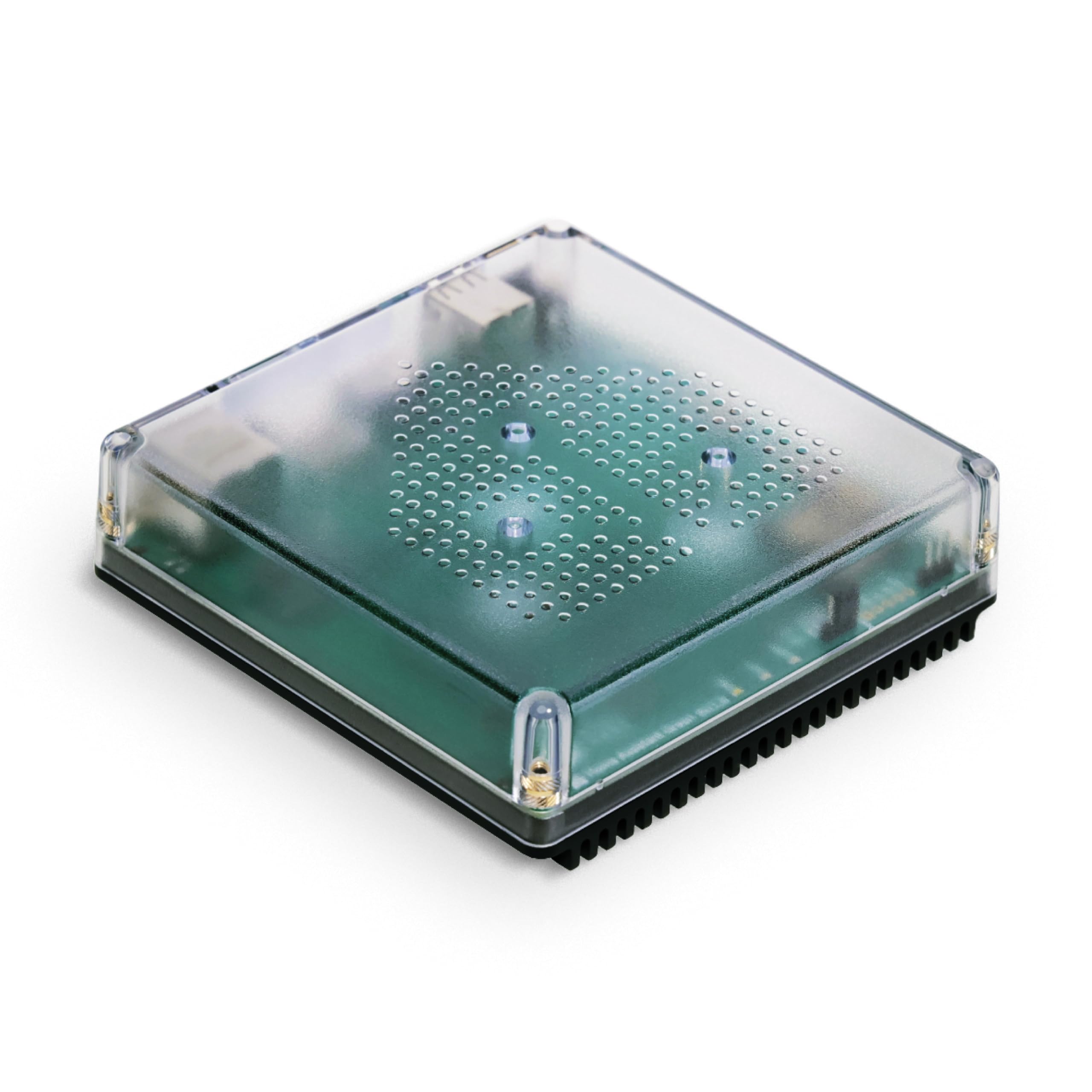
Home Assistant is the open-source smart home platform that power users have rallied around as the alternative to cloud-dependent commercial hubs. The Home Assistant Green is a plug-and-play hardware device that runs Home Assistant OS locally — no subscription, no cloud required, complete control over your data. With 3,000+ integrations, the most powerful automation engine available, and a passionate community, it’s the ceiling of what smart home control can be — if you’re willing to invest time in setup.
Key Specs
- Platform: Home Assistant OS (open-source, self-hosted)
- Hardware: HA Green (~$99); HA Yellow (~$149, includes Zigbee/Thread)
- Integrations: 3,000+ integrations — every major brand and protocol
- Automation: Most powerful automation engine available — YAML + visual builder
- Privacy: 100% local — no cloud, no subscription, your data stays home
- Cost: Hardware only — zero ongoing subscription fees
Pros & Cons
- ✅ Most powerful automation engine available — can automate virtually anything
- ✅ Zero subscription fees — hardware cost only, forever
- ✅ 3,000+ integrations — connects devices no commercial hub supports
- ✅ Complete local control — works fully offline
- ❌ Steep learning curve — not beginner-friendly
- ❌ Setup and maintenance requires technical willingness
- ❌ No consumer-grade voice assistant built in (can integrate with Google/Alexa)
Verdict
Home Assistant is the best smart home hub for technically inclined homeowners who want maximum control, zero cloud dependency, and no ongoing costs. If you’re willing to learn it, nothing else matches its power and flexibility.
Final Thoughts
The right smart home hub depends on your ecosystem and technical comfort. Beginners and Amazon users should start with the Amazon Echo 4th Gen. Google and Android households should go with the Google Nest Hub 2nd Gen. Cross-brand device collectors should look at Samsung SmartThings for protocol breadth. iPhone households who want privacy and great audio should invest in the Apple HomePod 2nd Gen. And power users who want complete local control with no subscriptions should run Home Assistant.