The right personal finance book can reshape your relationship with money in ways no app can. These are the books that have genuinely changed how millions of people think, earn, save, and invest. From absolute beginner basics to advanced wealth-building philosophy — ranked by impact and readability in 2026.
#1. The Psychology of Money — Morgan Housel
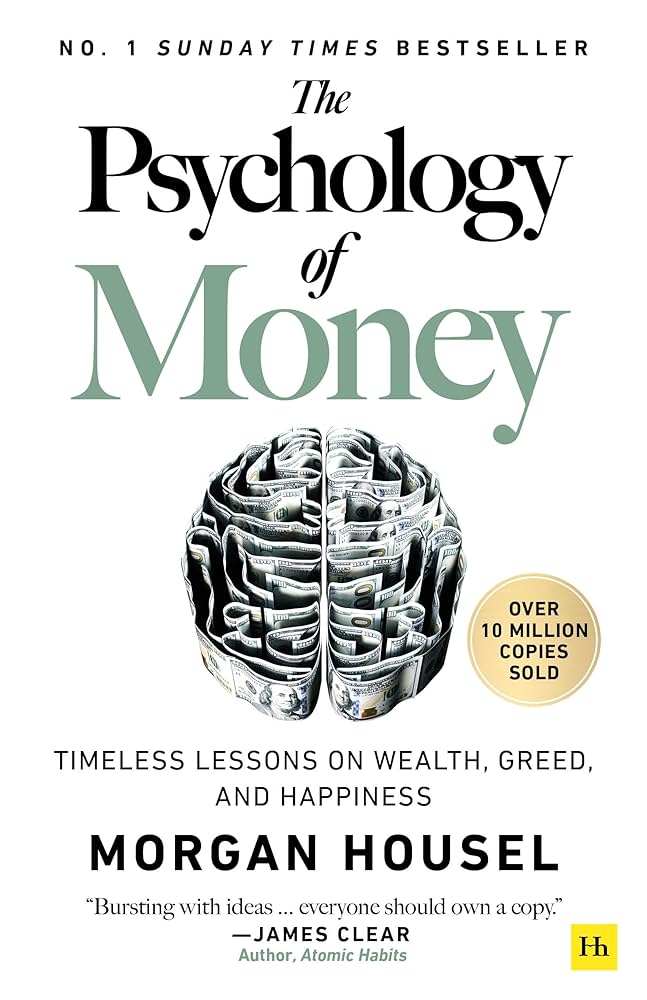
Morgan Housel’s masterpiece is the most important personal finance book written in the past decade. It explains why smart people do dumb things with money — and why financial success has more to do with behaviour than knowledge. Short chapters, compelling stories, and timeless lessons make this an instant classic.
What You’ll Learn
- Core Thesis: Financial success is about behaviour, not intelligence
- Key Concept: The gap between knowing what to do and actually doing it
- Lesson: Enough — why knowing when to stop is a superpower
- Lesson: Time and compounding are the most powerful forces in investing
- Best For: Anyone at any stage of their financial journey
- Pages: 256 (very readable)
Pros & Cons
- ✅ Most insightful personal finance book of the decade
- ✅ Short, story-driven chapters — easy to read in bursts
- ✅ Applicable regardless of income or net worth
- ✅ Changes how you think, not just what you do
- ❌ Light on specific tactical advice
- ❌ Not a step-by-step guide
Verdict
If you read only one personal finance book, make it The Psychology of Money. It’s the foundational mindset shift that makes all other financial knowledge actually stick.
#2. I Will Teach You to Be Rich — Ramit Sethi
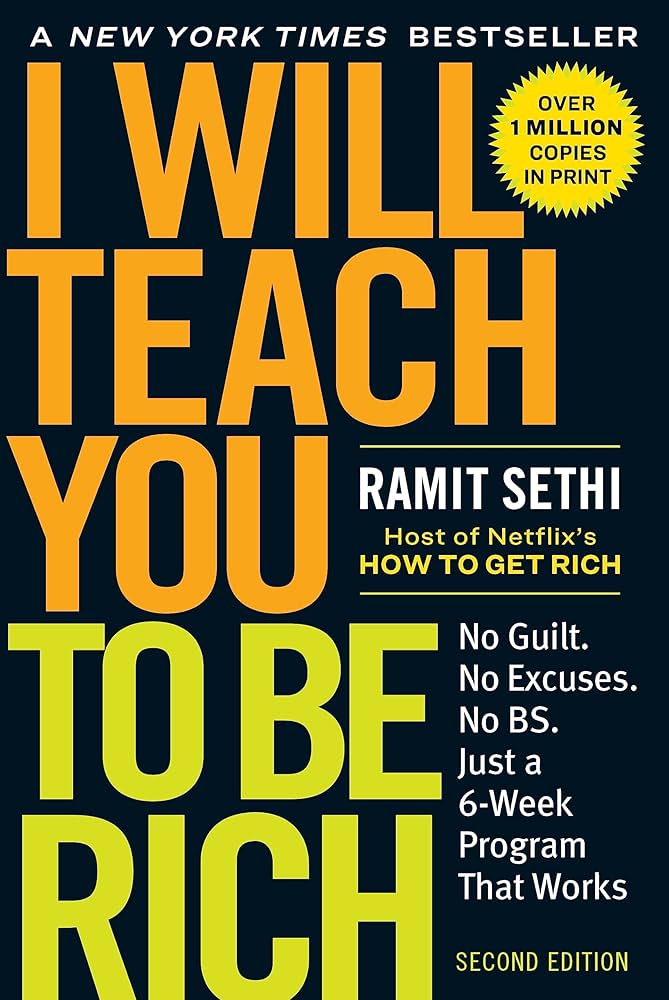
Ramit Sethi’s practical, no-BS guide gives young adults a step-by-step 6-week programme for automating their finances. Credit cards, bank accounts, investing, negotiating — all covered with specific, actionable advice that cuts through the noise. Updated for 2026 with modern fintech and investing platforms.
What You’ll Learn
- 6-Week Plan: Structured programme to automate your financial life
- Automation: Set up automatic savings, investing, and bill pay
- Credit Cards: How to use them strategically (not fearfully)
- Investing: Target-date funds explained for beginners
- Best For: 20s–30s building their first financial system
- Pages: 352
Pros & Cons
- ✅ Most actionable personal finance book available
- ✅ Specific account and platform recommendations
- ✅ Refreshingly guilt-free — you can still spend on what you love
- ✅ Step-by-step structure is easy to follow
- ❌ US-centric advice
- ❌ Tone too casual for some readers
Verdict
I Will Teach You to Be Rich is the best action-oriented personal finance book for young adults. Read it, follow the 6-week programme, and your finances will be on autopilot before the book is finished.
#3. The Total Money Makeover — Dave Ramsey
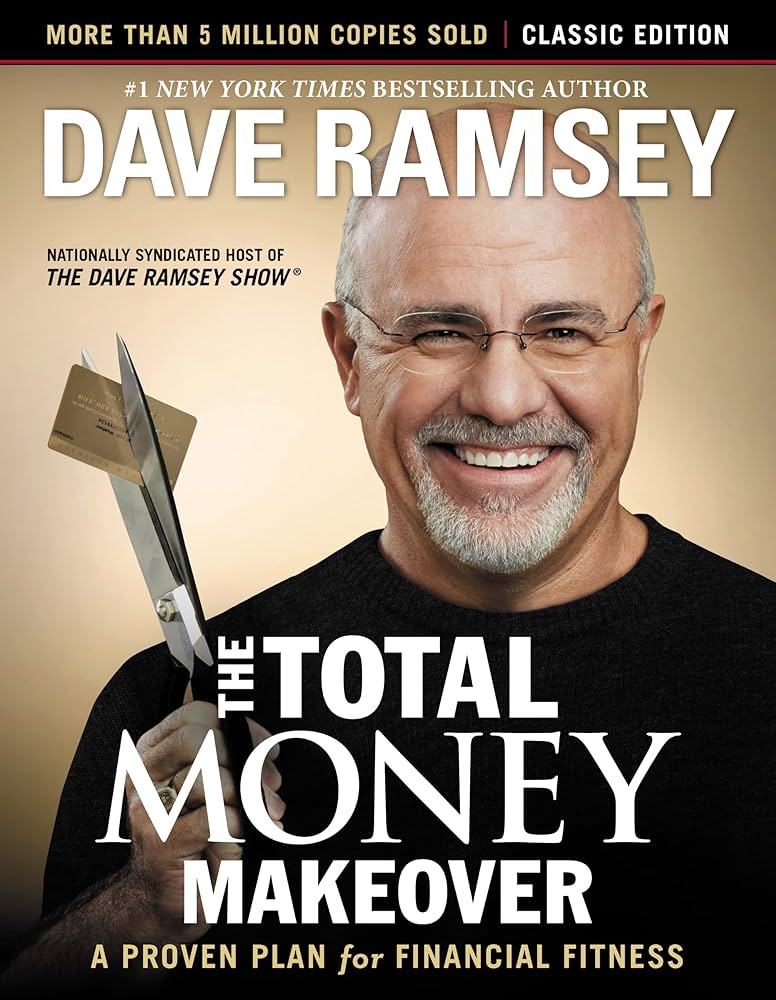
Dave Ramsey’s 7 Baby Steps programme has helped millions of Americans eliminate debt and build emergency funds. His no-nonsense, debt-free philosophy is particularly powerful for people drowning in consumer debt who need a strict, motivating system to follow.
What You’ll Learn
- 7 Baby Steps: Sequential debt-elimination and wealth-building system
- Debt Snowball: Pay smallest debts first for motivation
- Emergency Fund: 3–6 months expenses before investing
- Investing: 15% of income into retirement accounts
- Best For: Anyone with significant consumer debt
- Pages: 272
Pros & Cons
- ✅ Clear, motivating step-by-step system
- ✅ Particularly effective for debt elimination
- ✅ Highly motivating, full of real success stories
- ✅ Simple enough for financial beginners
- ❌ Anti-credit-card stance too extreme for many
- ❌ Investment advice basic compared to specialist books
Verdict
The Total Money Makeover is the best personal finance book for people with debt who need a motivating, structured system. The Baby Steps approach has a proven track record for debt elimination.
#4. The Little Book of Common Sense Investing — John Bogle
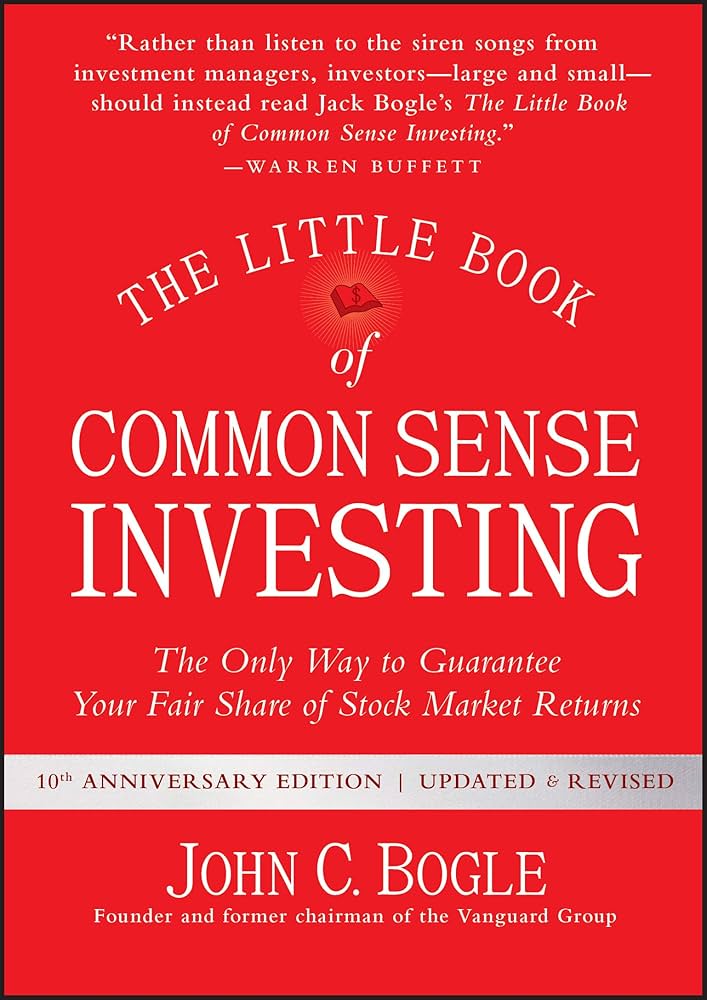
Vanguard founder John Bogle makes the irrefutable case for low-cost index fund investing. In plain English, he explains why most active funds underperform the market after fees and why simply buying the whole market through index funds is the wisest strategy for most investors.
What You’ll Learn
- Core Argument: Index funds beat most active funds after fees over time
- Costs: Why expense ratios matter more than returns
- Strategy: Buy and hold total market index funds — don’t trade
- Evidence: Decades of data supporting passive investing
- Best For: Anyone confused about whether to pick stocks or funds
- Pages: 216
Pros & Cons
- ✅ Evidence-based investing philosophy with proven results
- ✅ Concise and easy to read
- ✅ Written by the man who invented index funds
- ✅ Timeless advice that works in any market
- ❌ Repetitive — the core message could fit in 50 pages
- ❌ Not for those who want active trading strategies
Verdict
The Little Book of Common Sense Investing is the definitive guide to passive investing. Read this book and you’ll understand why buying low-cost index funds and never selling is one of the most powerful wealth-building strategies available.
#5. Rich Dad Poor Dad — Robert Kiyosaki
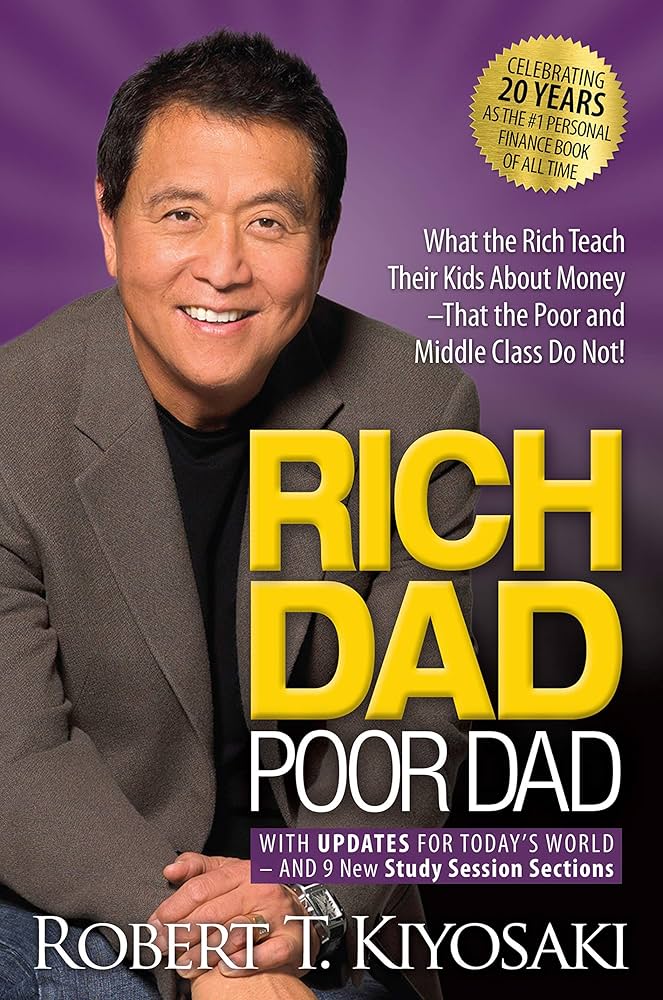
Rich Dad Poor Dad remains one of the best-selling personal finance books of all time. Its core lesson — that wealthy people buy assets while others buy liabilities — is a fundamental mindset shift for understanding how money and wealth actually work. Best read as a philosophy primer, not a specific investment guide.
What You’ll Learn
- Assets vs Liabilities: The core distinction that separates wealthy from poor
- Financial Education: Why schools don’t teach money management
- Mindset: Work to learn, not to earn
- Income Streams: The importance of passive and portfolio income
- Best For: Beginners needing a foundational money mindset shift
- Pages: 336
Pros & Cons
- ✅ Powerful mindset shift about assets and wealth building
- ✅ Easy and engaging to read
- ✅ Motivational and inspiring
- ✅ Timeless core concepts
- ❌ Specific financial advice vague and sometimes questionable
- ❌ Anecdotes may be embellished
Verdict
Rich Dad Poor Dad is the best personal finance book for changing your money mindset. Read it for the philosophy, then follow up with Bogle or Sethi for the specific tactics.
Final Thoughts
The best personal finance reading list combines mindset, behaviour, and strategy. Start with The Psychology of Money for the right mindset, add I Will Teach You to Be Rich for actionable steps, use Total Money Makeover if debt is your challenge, and finish with The Little Book of Common Sense Investing for long-term wealth building. One book at a time, read and apply — that’s the secret to financial transformation in 2026.